Understanding ASTM D86 Distillation Testing for Refined Petroleum Products
Our petroleum specialists explain the critical role of ASTM D86 atmospheric distillation testing in characterising fuel quality, boiling range distribution, and compliance with international fuel specifications for gasoline, diesel, and jet fuel.
ASTM D86, the Standard Test Method for Distillation of Petroleum Products and Liquid Fuels at Atmospheric Pressure, is one of the most widely applied test methods in the petroleum industry. It provides critical information about the volatility characteristics of fuels, which directly impacts engine performance, safety, and regulatory compliance.
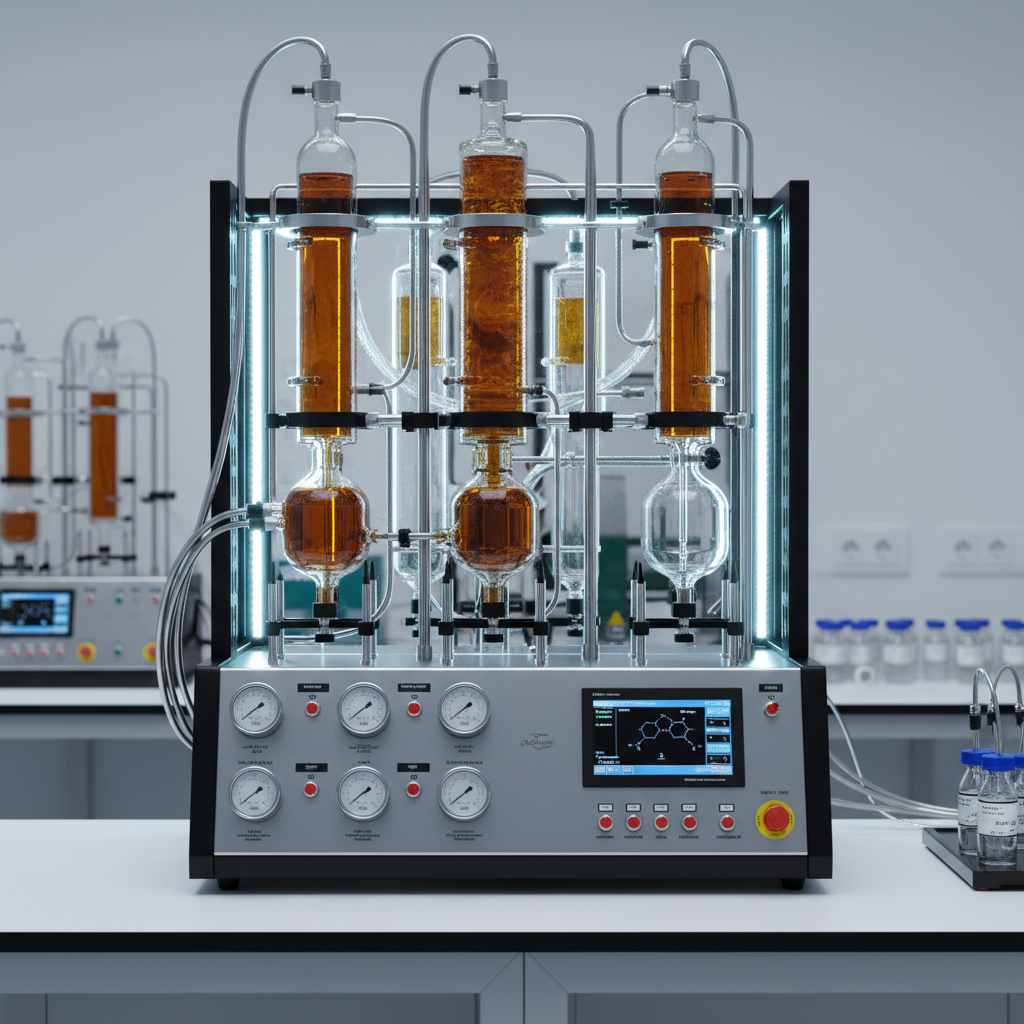
The test involves heating a 100 mL fuel sample in a standardised flask and recording the temperature at which specific volume percentages of the sample distil over. Key data points include the Initial Boiling Point (IBP), the temperatures at 10%, 50%, and 90% recovery, and the Final Boiling Point (FBP). These values define the boiling range distribution of the fuel.
For gasoline, ASTM D86 distillation data is used to assess front-end volatility (cold start performance), mid-range volatility (warm-up and acceleration), and tail-end volatility (hot soak and vapour lock tendency). Regulatory bodies such as the European Committee for Standardisation (CEN) and the American Society for Testing and Materials (ASTM) specify distillation limits within product standards such as EN 228 and ASTM D4814.
Diesel fuel distillation testing under ASTM D86 provides the T90 and T95 values — the temperatures at which 90% and 95% of the sample has distilled. These parameters are critical for assessing combustion quality, cold flow properties, and compliance with EN 590 and ASTM D975 specifications.
Jet fuel testing under ASTM D86 is governed by specifications such as DEF STAN 91-091 (Jet A-1) and ASTM D1655. The distillation profile ensures that the fuel meets volatility requirements for safe operation across a wide range of altitudes and temperatures.
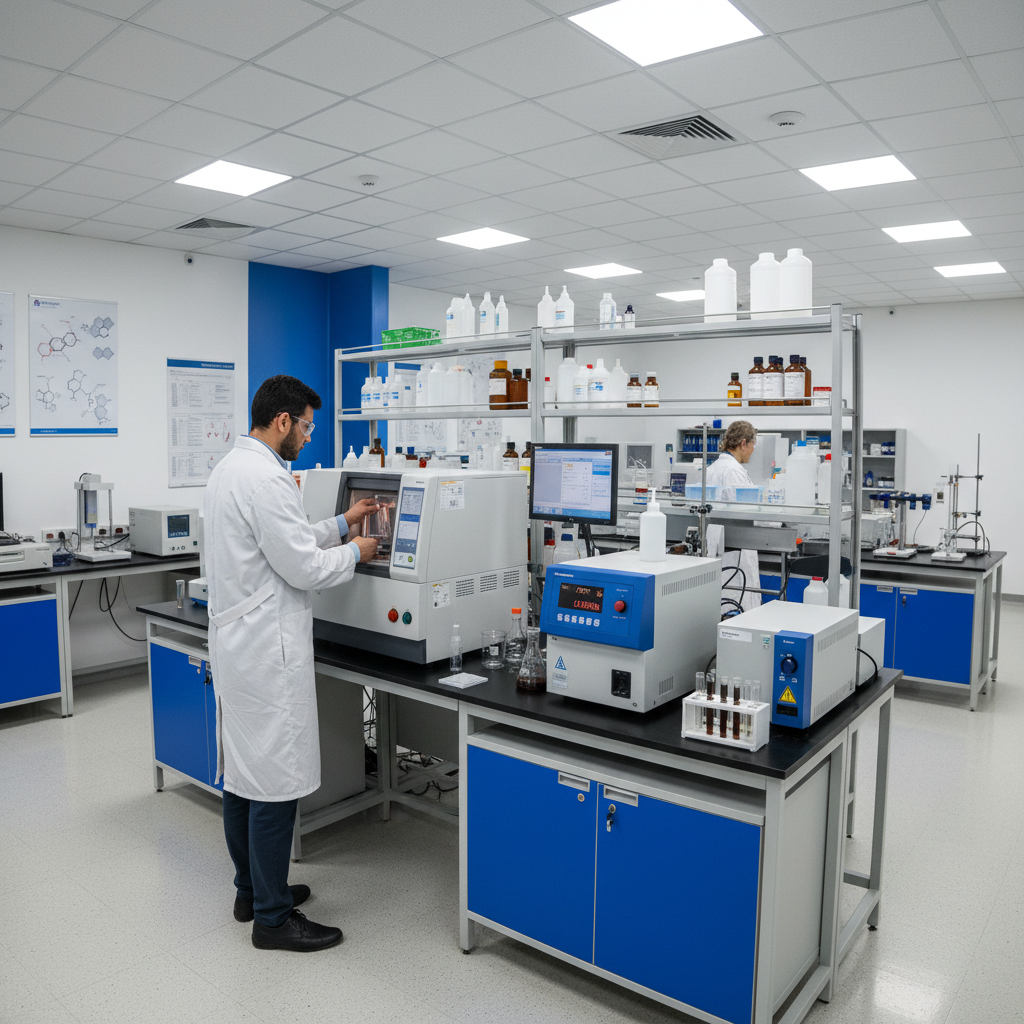
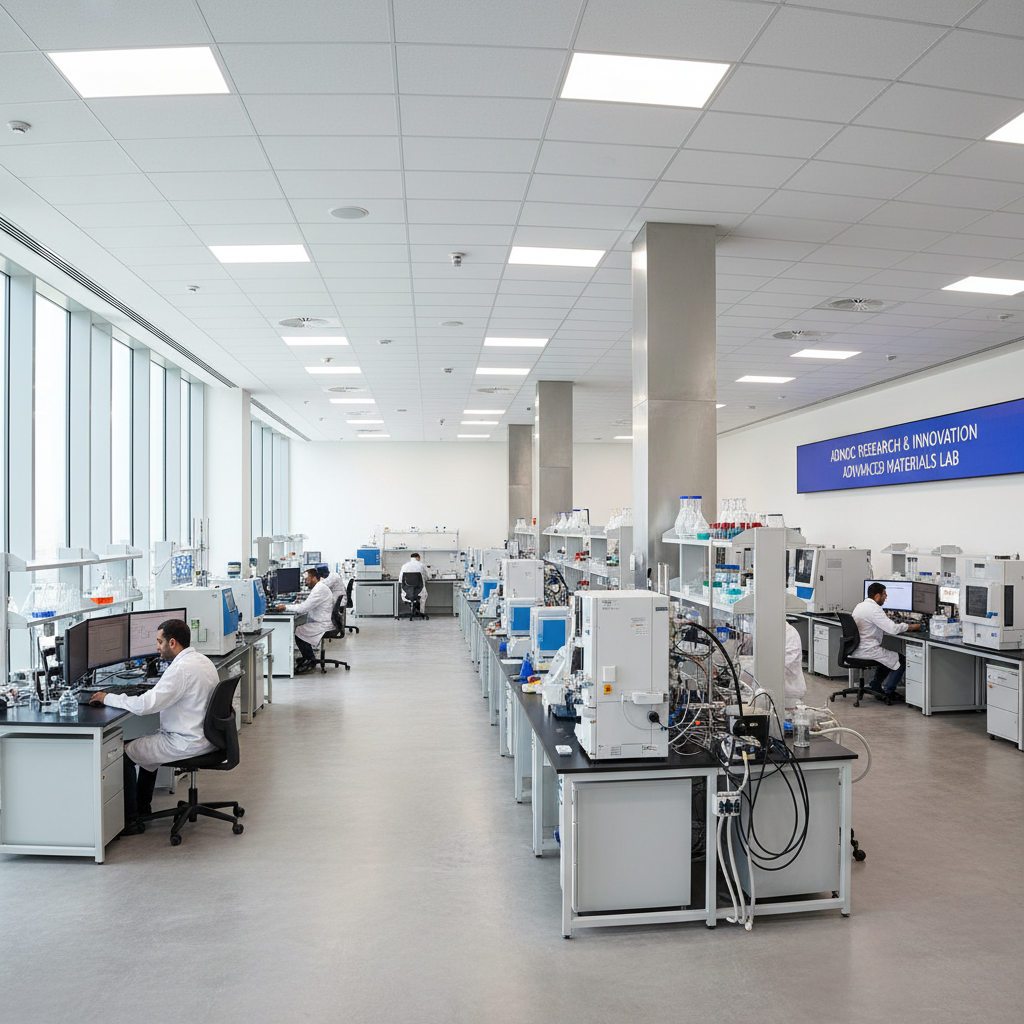
At XPCHEM, our petroleum testing laboratories operate automated ASTM D86 distillation units calibrated to the latest standard revision. Our analysts are trained to identify anomalies such as decomposition, azeotrope formation, and sample contamination that can affect result validity. All results are reported with full uncertainty budgets in accordance with our ISO/IEC 17025 accreditation scope.
For clients requiring distillation testing as part of a broader fuel quality assessment, XPCHEM offers integrated test packages combining ASTM D86 with flash point (ASTM D93), density (ASTM D4052), sulphur content (ASTM D4294), and cloud/pour point testing — providing a comprehensive characterisation report for specification compliance and custody transfer purposes.
Article Details
Technical Article
Petroleum Testing
March 12, 2026