IMO 2026 Sulphur Cap: How XPCHEM Supports Marine Fuel Compliance Testing
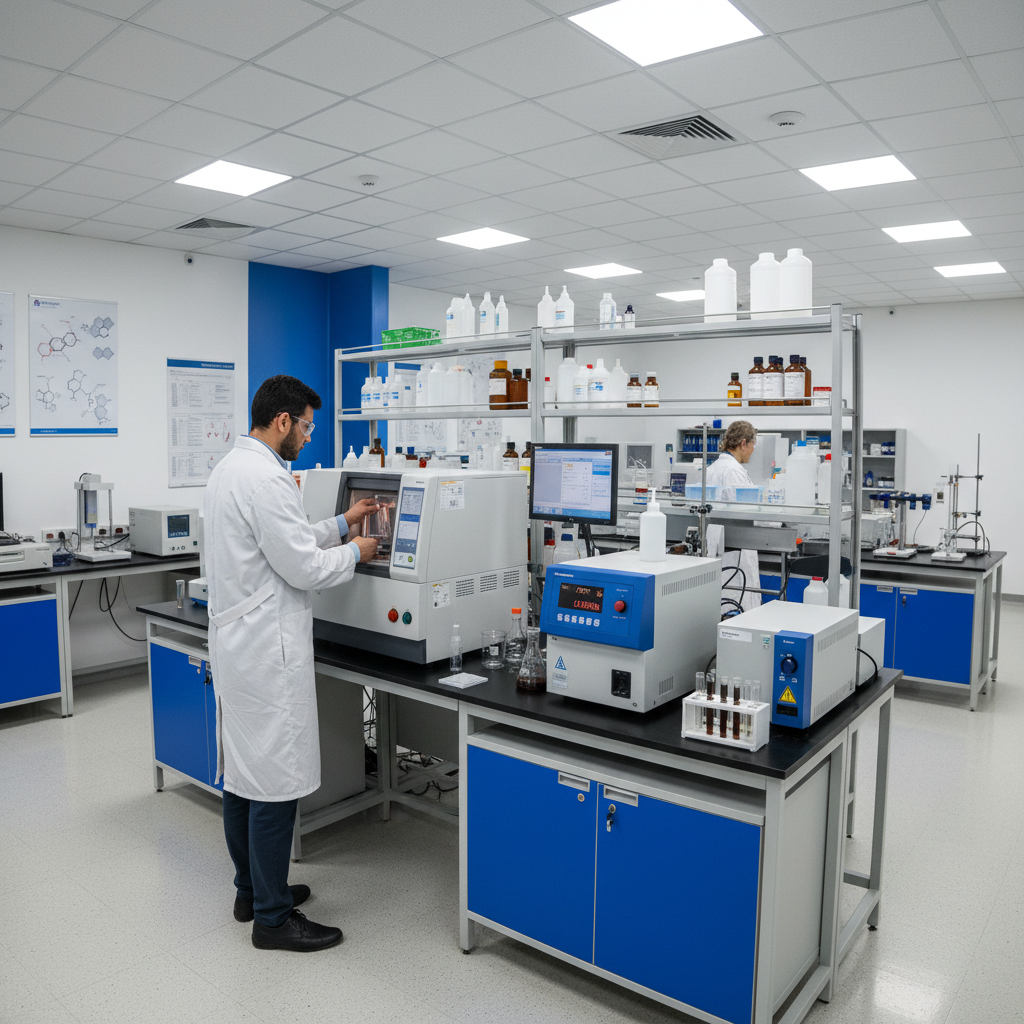
With tightening IMO sulphur regulations for marine fuels, XPCHEM offers comprehensive bunker fuel testing services including sulphur content analysis by X-ray fluorescence (XRF) and combustion methods to ensure vessels meet global emission standards.
The International Maritime Organization's (IMO) global sulphur cap, which limits sulphur content in marine fuels to 0.50% m/m outside Emission Control Areas (ECAs), continues to reshape the bunker fuel market. As enforcement mechanisms mature and port state control inspections intensify, accurate and timely sulphur testing has never been more critical for vessel operators, fuel suppliers, and charterers.
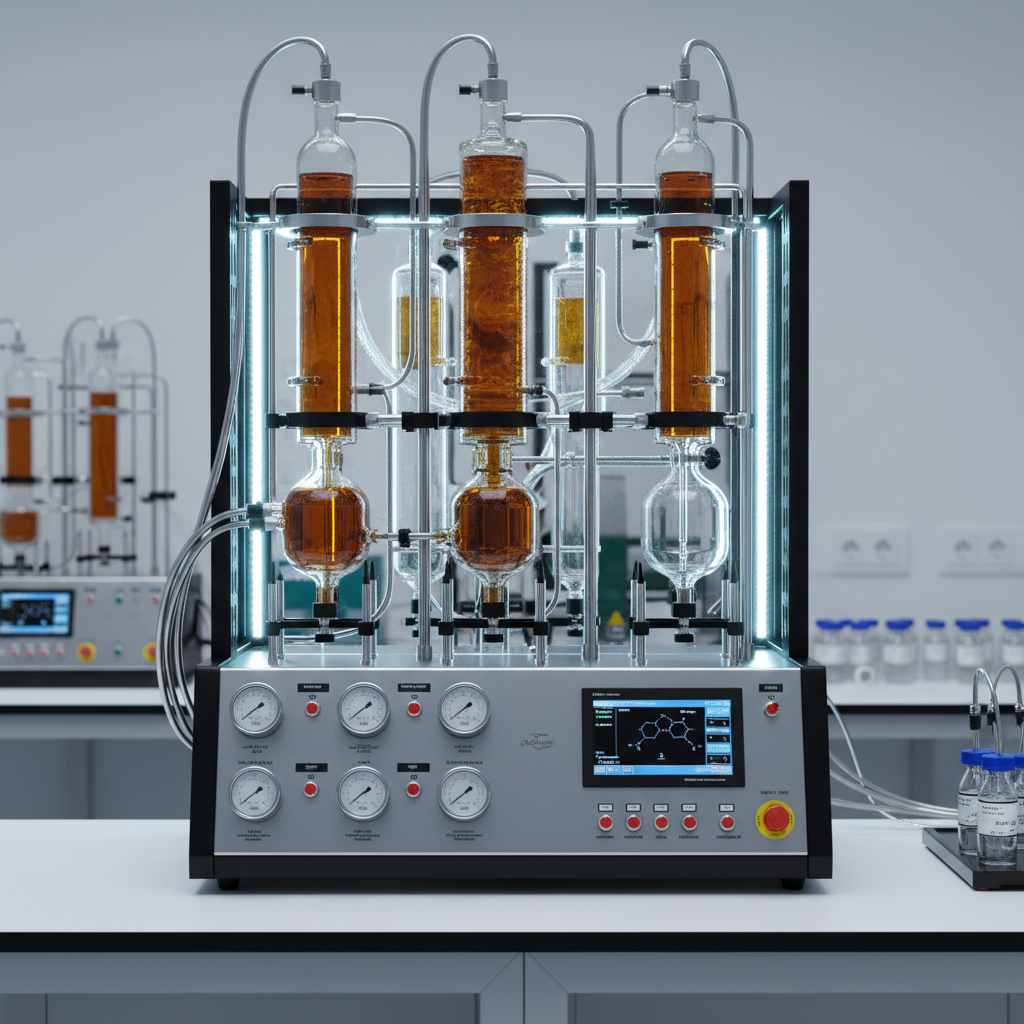
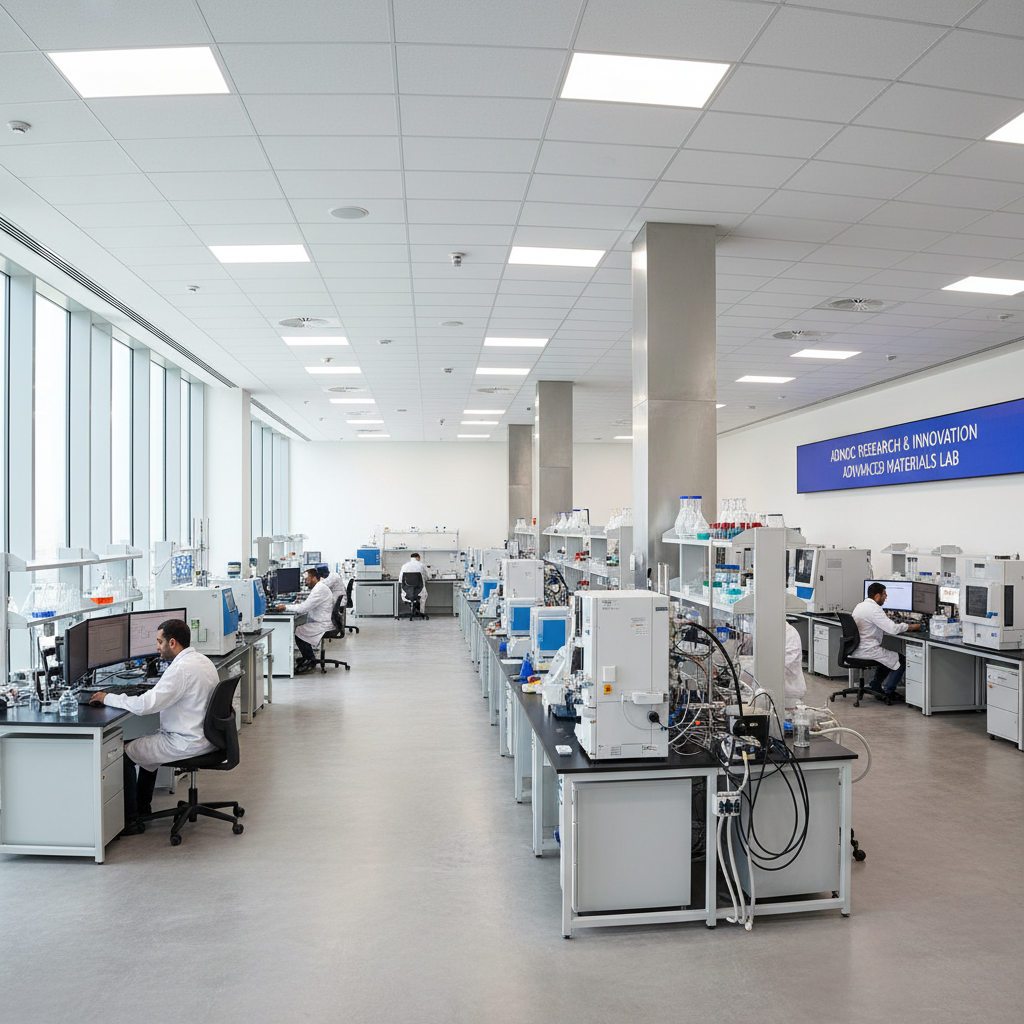
XPCHEM's marine fuel testing services are designed to support all stakeholders in the bunker fuel supply chain. Our laboratories are equipped with both X-ray fluorescence (XRF) analysers — operating under ISO 8754 and ASTM D4294 — and combustion-based methods such as ASTM D5453 (ultraviolet fluorescence) for high-precision sulphur determination across the full concentration range from trace levels to high-sulphur residual fuels.
Within Emission Control Areas (ECAs) — including the North Sea, Baltic Sea, North American coastal waters, and the US Caribbean Sea ECA — the sulphur limit is even more stringent at 0.10% m/m. XPCHEM's ECA-compliant testing packages include sulphur analysis alongside density, viscosity, flash point, and water content testing to provide a complete bunker quality assessment.
One of the most commercially significant aspects of bunker fuel testing is the ability to detect mislabelled or off-specification fuel before it is loaded onto a vessel. XPCHEM offers pre-delivery sampling and testing services at major bunkering ports, providing independent verification of fuel quality against the supplier's certificate of quality.
In the event of a fuel quality dispute — which can arise from off-spec sulphur content, contamination, or incompatibility between fuel batches — XPCHEM's retained sample analysis and expert witness services provide the technical evidence needed for commercial resolution. Our chain-of-custody procedures and MARPOL Annex VI-compliant sampling protocols ensure that results are defensible in arbitration and legal proceedings.
Looking ahead, XPCHEM is monitoring developments in alternative marine fuels including LNG, methanol, and ammonia, and is developing testing capabilities to support the industry's transition to lower-carbon energy carriers. Our technical team is actively participating in ISO and ASTM working groups developing new test methods for these emerging fuel types.
Article Details
Industry Update
Regulatory Compliance
March 5, 2026