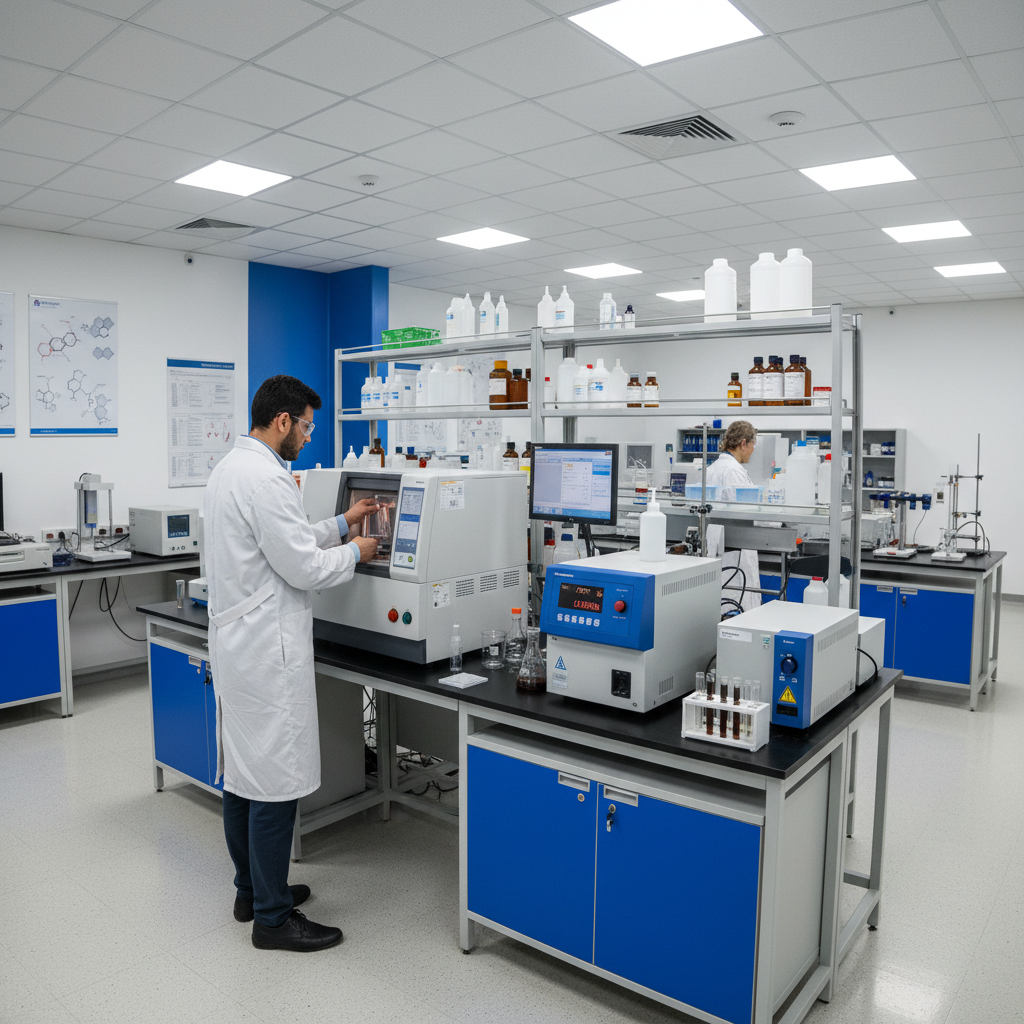
Webinar: ICP-OES vs ICP-MS — Choosing the Right Technique for Trace Metal Analysis
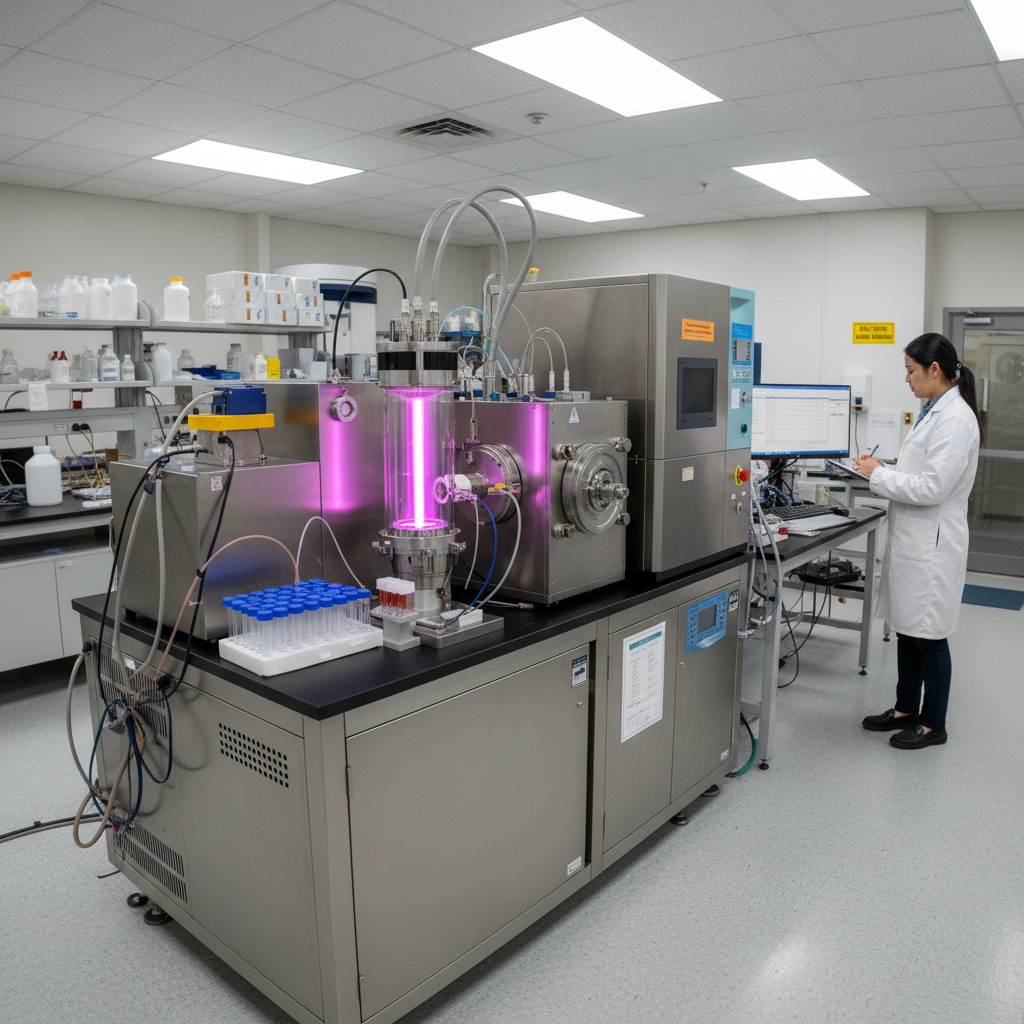
Join our analytical chemistry experts for a practical comparison of ICP-OES and ICP-MS methodologies for trace and ultra-trace metal determination in petroleum products, lubricants, and industrial chemicals — including detection limits, matrix effects, and regulatory applicability.
XPCHEM's technical webinar series continues with an in-depth session comparing two of the most powerful techniques in trace metal analysis: Inductively Coupled Plasma Optical Emission Spectrometry (ICP-OES) and Inductively Coupled Plasma Mass Spectrometry (ICP-MS). This session is designed for laboratory analysts, quality managers, and procurement specialists who need to understand which technique is most appropriate for their specific analytical requirements.
ICP-OES is the workhorse of multi-element analysis, capable of simultaneously determining 30–70 elements in a single run with detection limits typically in the range of 1–100 µg/L (ppb). It is well-suited for applications where analyte concentrations are in the low to mid ppb range and matrix complexity is moderate. Common applications in the petroleum and chemical industries include wear metal analysis in used lubricating oils (ASTM D5185), catalyst characterisation, and trace metal profiling in crude oil and refined products.
ICP-MS extends the detection capability by two to three orders of magnitude, achieving detection limits in the sub-ppb to ppt range. It is the method of choice for ultra-trace analysis, isotope ratio measurements, and speciation studies. In the petroleum sector, ICP-MS is increasingly used for nickel and vanadium speciation in heavy fuel oils, platinum group element (PGE) analysis in catalysts, and mercury determination in natural gas condensates.
Matrix effects are a critical consideration in both techniques. Petroleum matrices present particular challenges due to high carbon content, viscosity, and the presence of organometallic compounds. XPCHEM's analysts use microwave digestion, dilution-based sample preparation, and internal standard correction to mitigate matrix-related interferences and ensure accurate results.
From a regulatory perspective, ICP-OES methods such as EPA 6010D and ISO 11885 are widely accepted for environmental and industrial applications. ICP-MS methods including EPA 6020B and ISO 17294-2 are required for ultra-trace and speciation work. XPCHEM's accreditation scope covers both techniques across a broad range of matrices and regulatory frameworks.
The webinar will include a live Q&A session with XPCHEM's principal analytical chemists. Attendees will receive a copy of the presentation slides and a method selection guide summarising the key decision criteria for choosing between ICP-OES and ICP-MS. Registration is open via the XPCHEM client portal, and CPD certificates will be issued to all attendees.
Article Details
Webinar
Chemical Analysis
February 18, 2026